 Opals
Opals
 Gemstones
 Jewelry
 Coins
Coins


You have not bid on this auction.
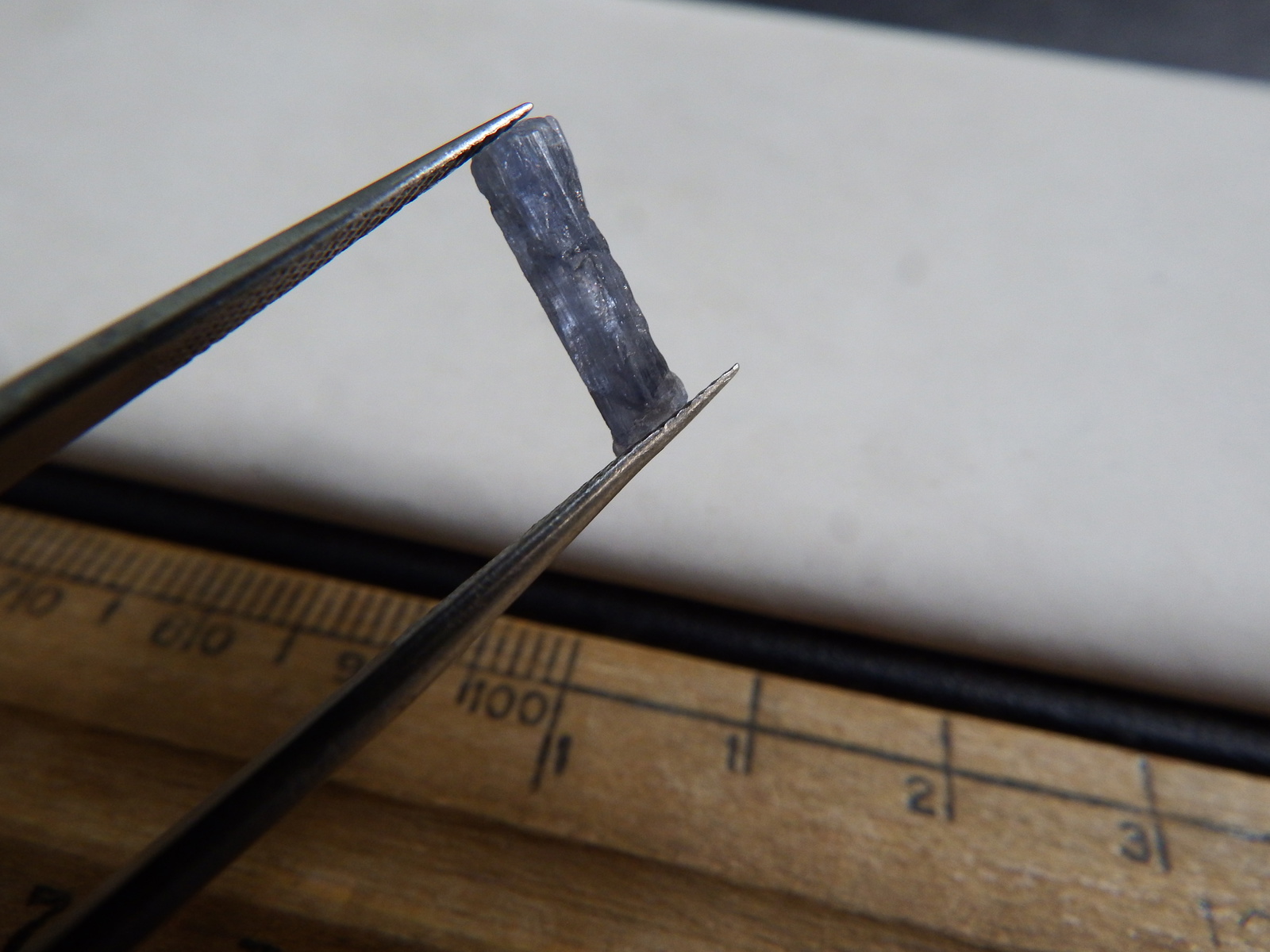
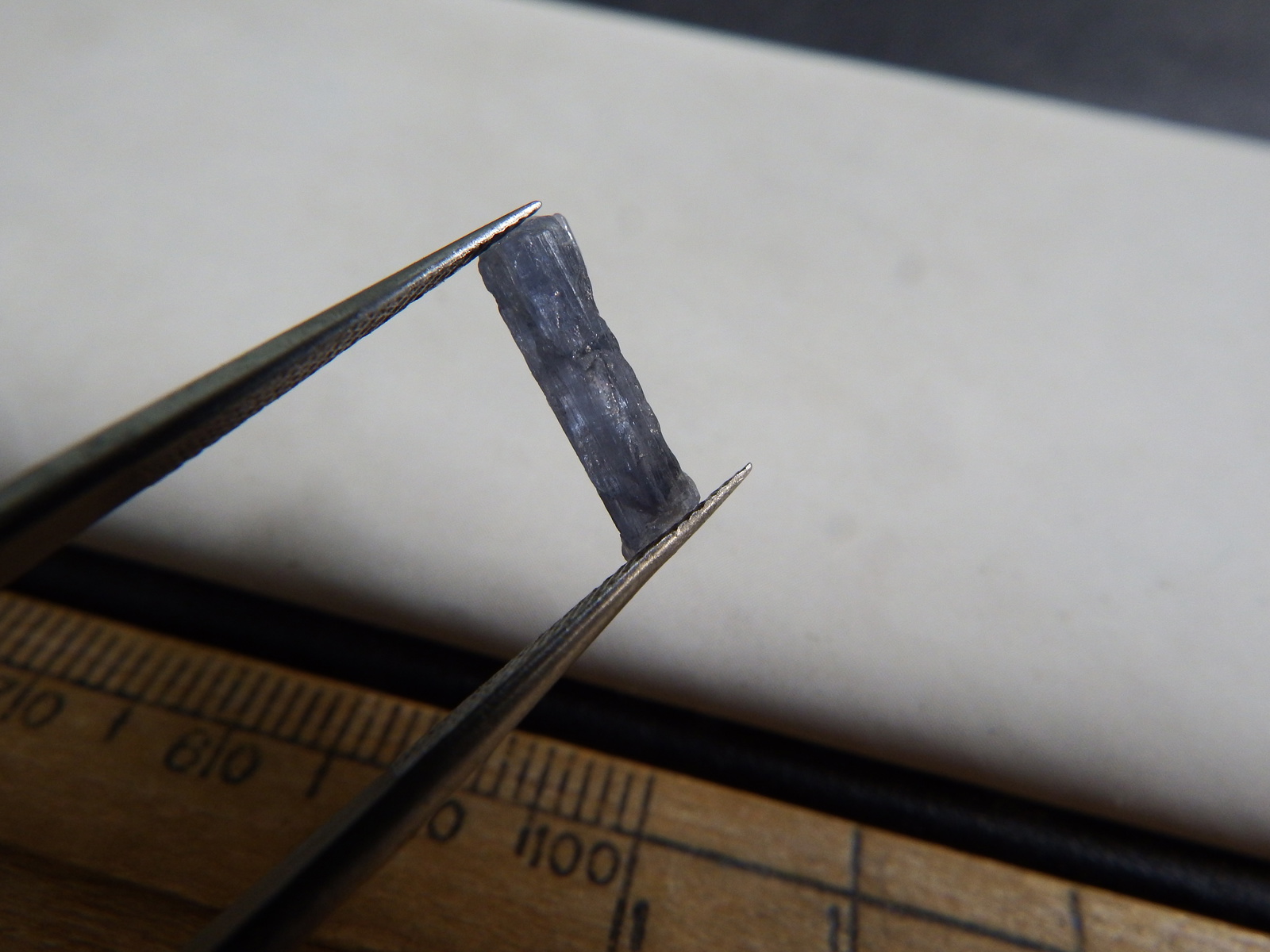
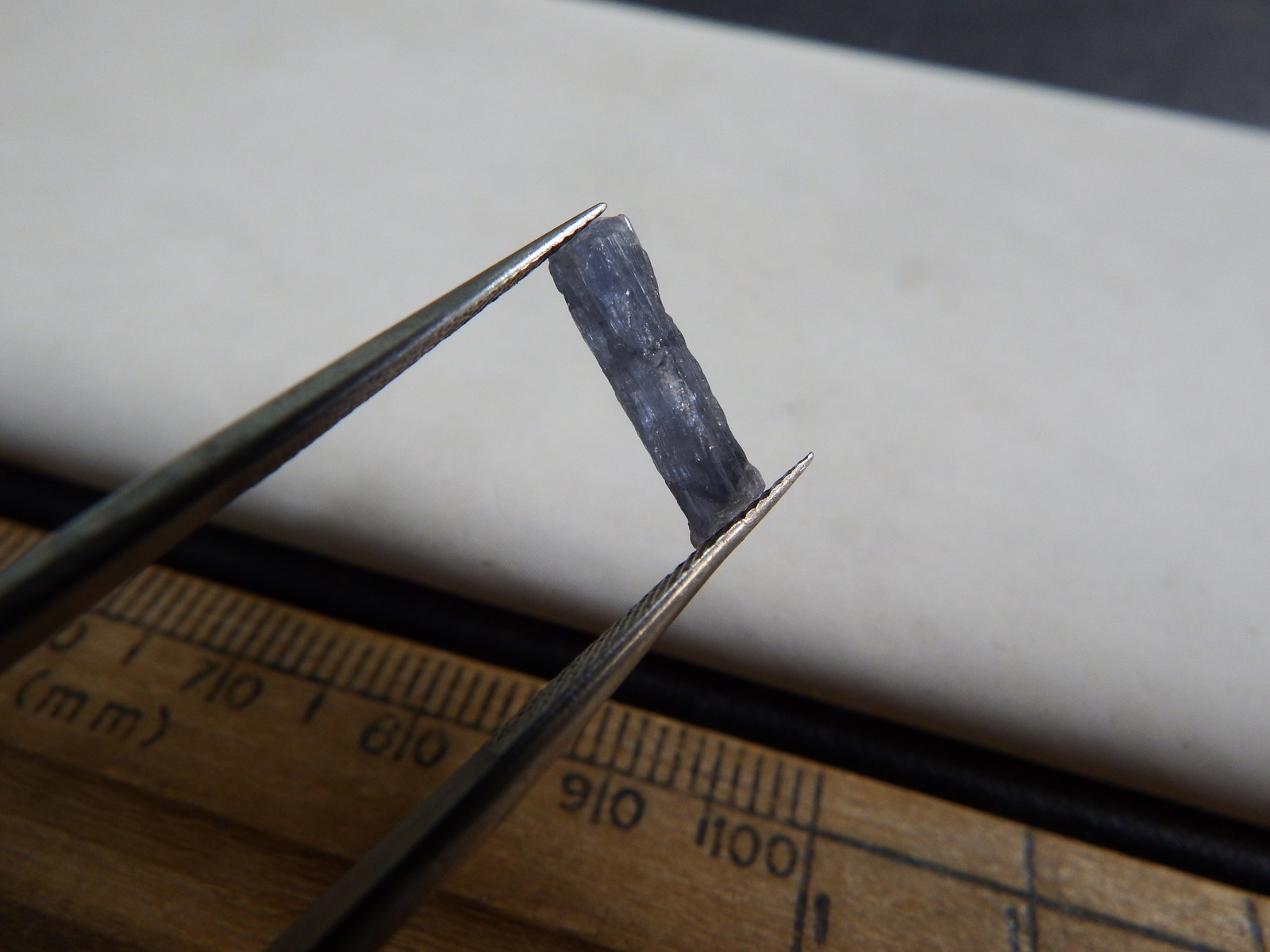
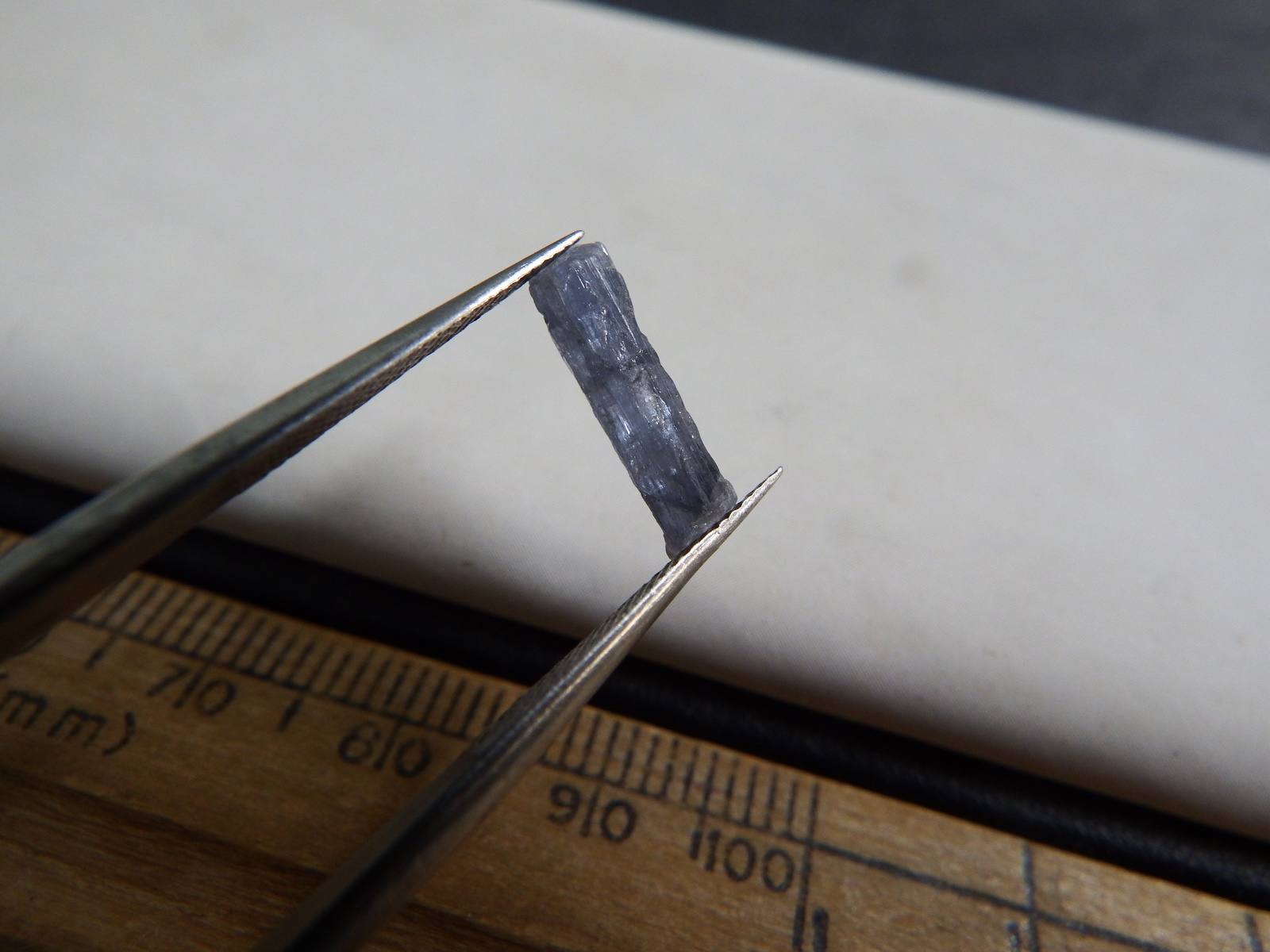
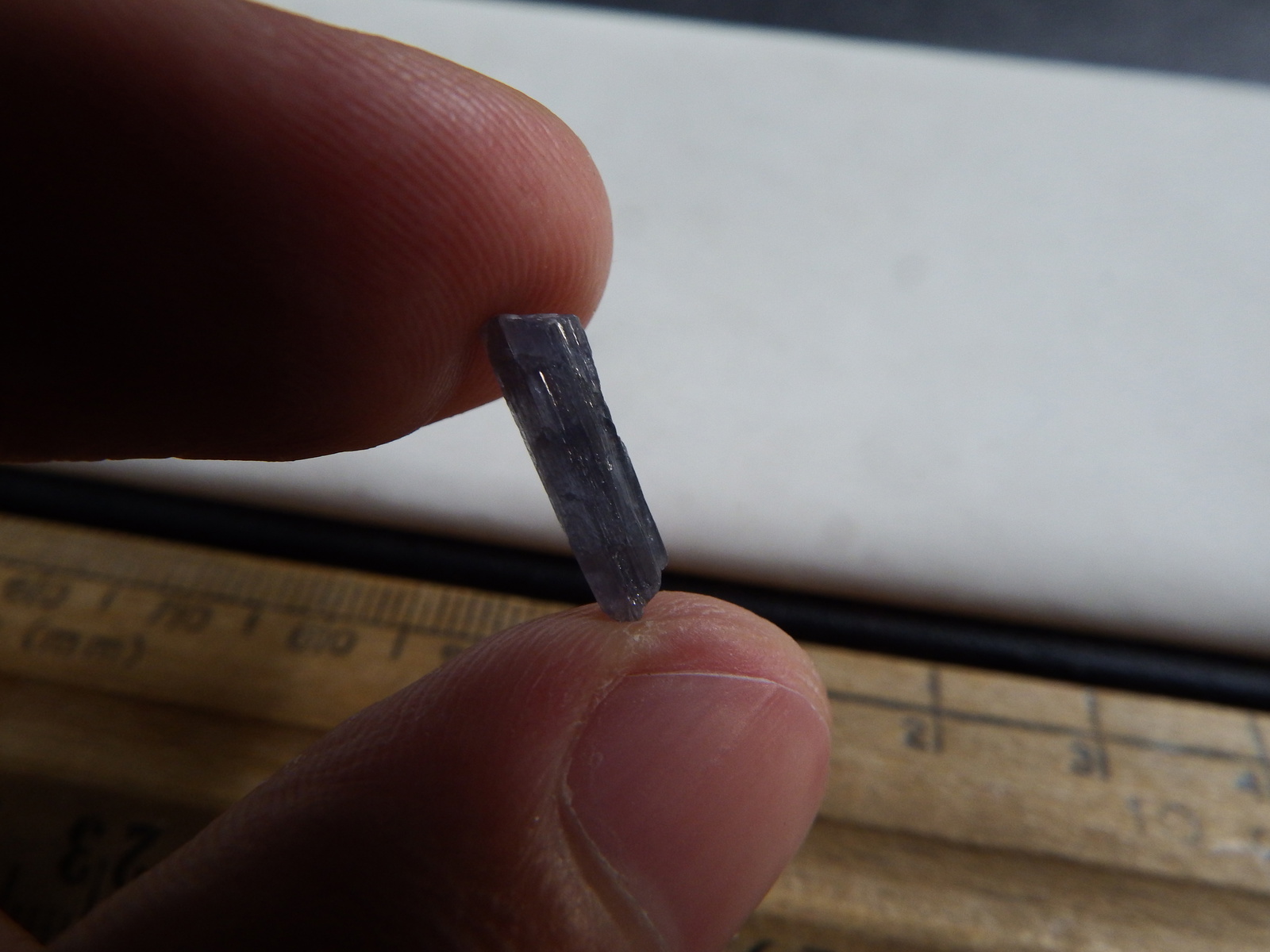
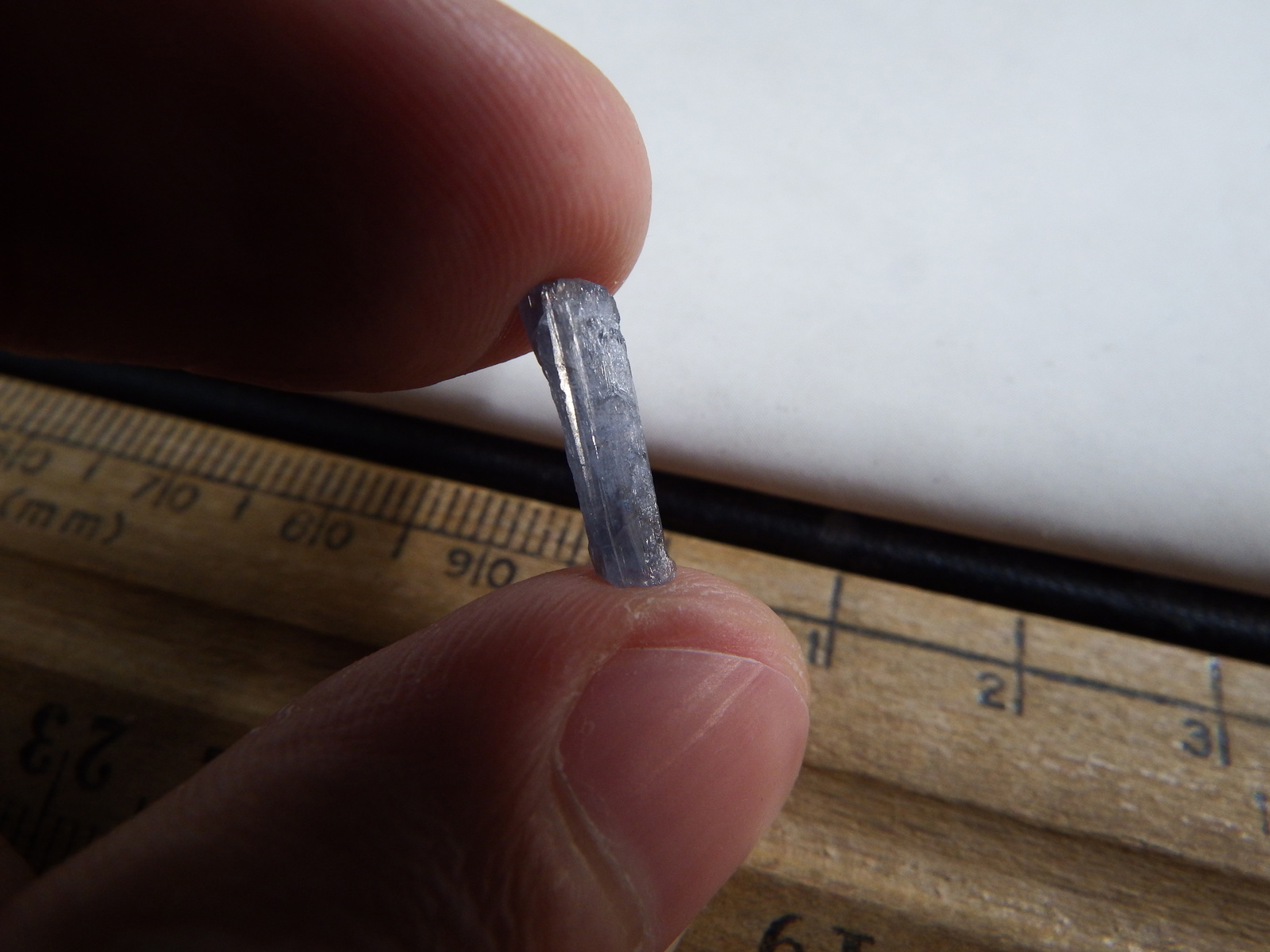
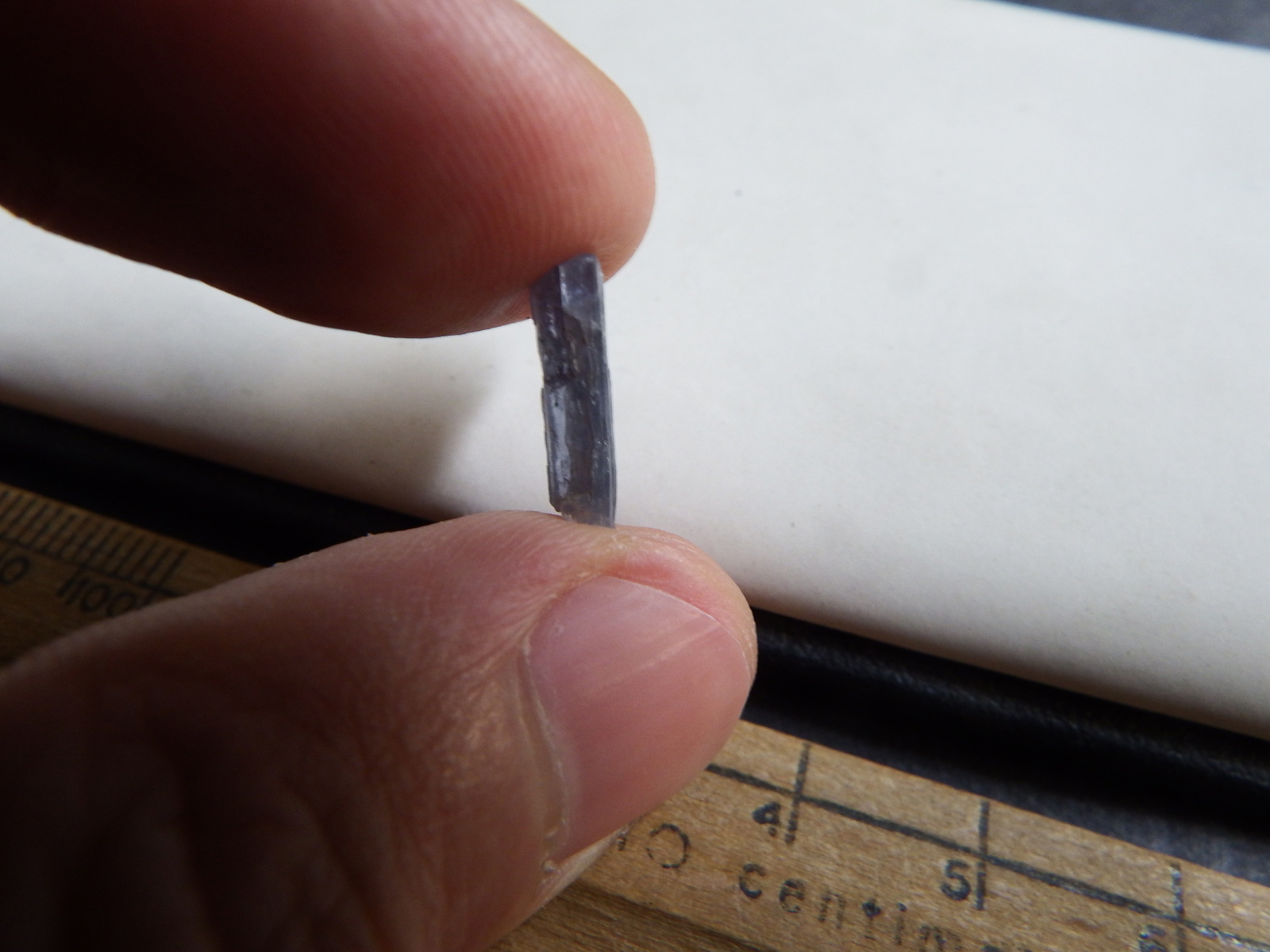
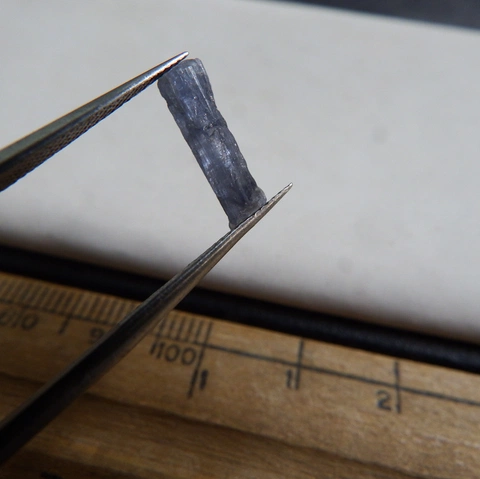
1.85ct terminated untreated blue tanzanite extremely rare gemstone Tanzania
- SKU
- Dimensions (mm)
- 13 x 4 x 3mm
- Weight (cts)
- 1.85
- Treatment
- No Treatment
- Type
- Rough, Specimen
- Clarity
- N/A
- Colours
-
thanks for checking out this auction if you have any questions feel free to message me
1. Geographic Exclusivity:
Tanzanite is found only in one place in the world: the Merelani Hills near Mount Kilimanjaro in Tanzania, East Africa. This limited geographic distribution is a major factor in its rarity. The mining area spans only about 7 square kilometers (2.7 square miles), making the supply of Tanzanite extremely limited.
Because it’s only found in this specific region, the supply of Tanzanite is restricted, and it cannot be found elsewhere in the world like other gemstones such as sapphire or ruby.
2. Mining Challenges:
The mining process for Tanzanite is difficult, often requiring artisanal and small-scale mining operations in a rugged, mountainous area. The stones can be deep underground, and mining can be dangerous, requiring significant effort to extract the rough crystals.
Tanzanite is also often found in relatively small crystals, meaning that large, high-quality stones are even rarer and more valuable.
3. Limited Supply:
The global supply of Tanzanite is constrained, and mining operations have been facing challenges over the years due to declining yields, increased mining costs, and government regulations. Over time, some experts have speculated that Tanzanite may eventually be depleted because the mineable areas are finite, and as more resources are exhausted, the availability of quality rough stones decreases.
4. Color and Quality:
Tanzanite is prized for its distinctive blue-violet color, which results from its trichroism — a property that allows the stone to show three different colors depending on the viewing angle. Tanzanite can appear blue, violet, or burgundy, making it especially unique. The best-quality Tanzanite has an intense, vibrant blue color, which is in high demand, adding to its rarity and value.
High-quality Tanzanite with strong color and minimal inclusions is even rarer and highly sought after in the gemstone market.
5. Global Recognition:
Tanzanite's popularity surged after it was first marketed in the 1960s, and it remains highly desirable due to its unique color and the perception of its rarity. The gem is often used in fine jewelry, especially in high-end pieces like engagement rings, making it more exclusive in the luxury market.
6. Future Concerns:
Experts have raised concerns about the sustainability of Tanzanite mining. The limited mining area combined with increasing demand means that Tanzanite could become scarcer as time goes on. Some even predict that Tanzanite could become a "forgotten gem" in the future as supplies continue to dwindle.
Additionally, political instability and issues related to mining conditions in Tanzania could further affect the availability of Tanzanite.
Tanzanite is rare due to its exclusive geographic origin, difficult mining conditions, and finite supply. As the gemstone continues to be highly sought after for its beauty and uniqueness, its rarity only adds to its value, and it is likely to become even more precious as supplies diminish over time.
| Shipping provider | Shipping to Canada | Shipping to rest of world | Combined Shipping (Canada) | Combined Shipping (rest of the world) |
|---|---|---|---|---|
| Standard Shipping - Tracked |
|
|
|
|
- SKU
- Dimensions (mm)
- 13 x 4 x 3 mm
- Weight (cts)
- 1.85
- Treatment
- No Treatment
- Type
- Rough, Specimen
- Clarity
- N/A
- Colours
-
thanks for checking out this auction if you have any questions feel free to message me
1. Geographic Exclusivity:
Tanzanite is found only in one place in the world: the Merelani Hills near Mount Kilimanjaro in Tanzania, East Africa. This limited geographic distribution is a major factor in its rarity. The mining area spans only about 7 square kilometers (2.7 square miles), making the supply of Tanzanite extremely limited.
Because it’s only found in this specific region, the supply of Tanzanite is restricted, and it cannot be found elsewhere in the world like other gemstones such as sapphire or ruby.
2. Mining Challenges:
The mining process for Tanzanite is difficult, often requiring artisanal and small-scale mining operations in a rugged, mountainous area. The stones can be deep underground, and mining can be dangerous, requiring significant effort to extract the rough crystals.
Tanzanite is also often found in relatively small crystals, meaning that large, high-quality stones are even rarer and more valuable.
3. Limited Supply:
The global supply of Tanzanite is constrained, and mining operations have been facing challenges over the years due to declining yields, increased mining costs, and government regulations. Over time, some experts have speculated that Tanzanite may eventually be depleted because the mineable areas are finite, and as more resources are exhausted, the availability of quality rough stones decreases.
4. Color and Quality:
Tanzanite is prized for its distinctive blue-violet color, which results from its trichroism — a property that allows the stone to show three different colors depending on the viewing angle. Tanzanite can appear blue, violet, or burgundy, making it especially unique. The best-quality Tanzanite has an intense, vibrant blue color, which is in high demand, adding to its rarity and value.
High-quality Tanzanite with strong color and minimal inclusions is even rarer and highly sought after in the gemstone market.
5. Global Recognition:
Tanzanite's popularity surged after it was first marketed in the 1960s, and it remains highly desirable due to its unique color and the perception of its rarity. The gem is often used in fine jewelry, especially in high-end pieces like engagement rings, making it more exclusive in the luxury market.
6. Future Concerns:
Experts have raised concerns about the sustainability of Tanzanite mining. The limited mining area combined with increasing demand means that Tanzanite could become scarcer as time goes on. Some even predict that Tanzanite could become a "forgotten gem" in the future as supplies continue to dwindle.
Additionally, political instability and issues related to mining conditions in Tanzania could further affect the availability of Tanzanite.
Tanzanite is rare due to its exclusive geographic origin, difficult mining conditions, and finite supply. As the gemstone continues to be highly sought after for its beauty and uniqueness, its rarity only adds to its value, and it is likely to become even more precious as supplies diminish over time.
| Shipping provider | Shipping to Canada | Shipping to rest of world | Combined Shipping (Canada) | Combined Shipping (rest of the world) |
|---|---|---|---|---|
| Standard Shipping - Tracked |
|
|
|
|

Thankyou for everyone who supported us through out the year!.
-
Positive
Received! Omg!!! Thank you! Thank you! Thank you! Kids and I are super excited! Merry Christmas!!!!!!


-
 Positive
Thanks for another great specimen and I really appreciate you bundling the shipping with another purchase I made.

-
Positive
Great piece for a great price and thank you so much for the gift of petrified wood specimens.

-
Positive
Paid and shipped - no feedback left after 100 days

-
Positive
Nice color!

Why are users outbidding themselves?
When a bid is placed, this is the maximum amount a person is willing to bid for the product. Our system will then automatically bid on behalf of the bidder, incrementally increasing the bid up to the maximum to maintain their position as the highest bidder.
When there is an icon indicating 'Automatic Bid', it means our system is actively placing bids for the bidder based on their maximum bid. This may appear as if bidders are outbidding themselves, but it's simply a result of the system updating the bid to reflect the bidders maximum limit.

